Resources
Scams and Phishing
Articles on the scams aimed at a business: phishing emails, fake invoices and cloned voices, QR codes, and fake job offers.
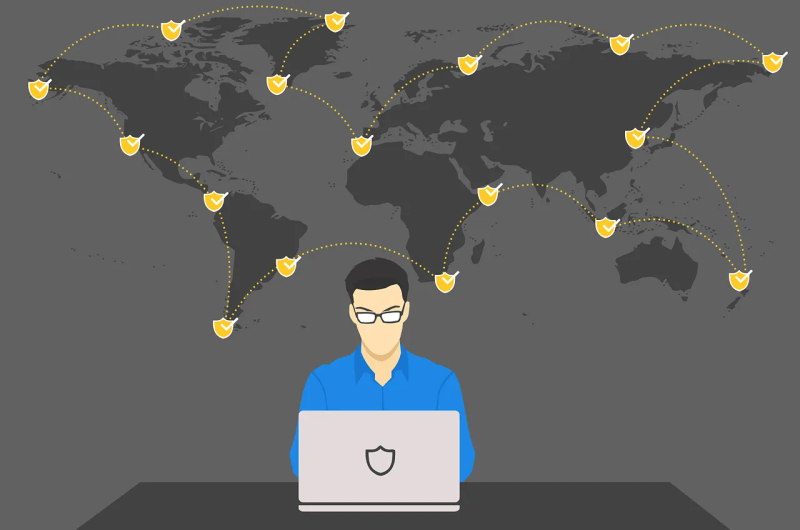
Five cyber scenarios to review with your team
Practise staff responses to deceptive requests, ransomware, suspicious downloads, impersonation and unfamiliar connected devices using safe scenarios.
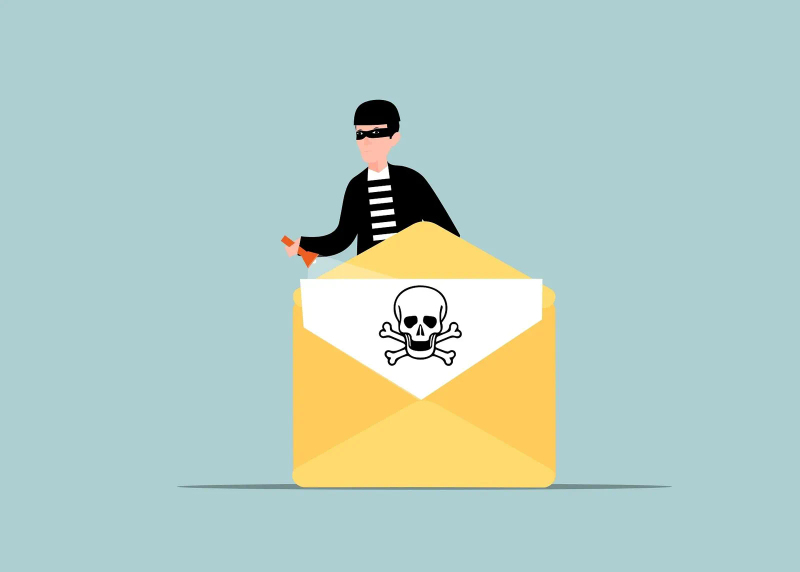
Six checks for business email security
Review business email sign-in, domain authentication, updates, request verification, sensitive-file handling and recovery with IT and staff.
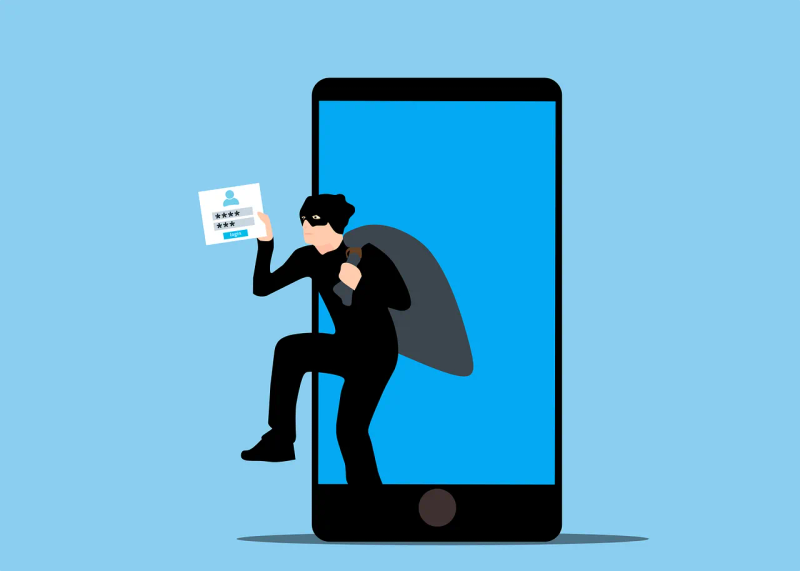
Suspicious apps and links on work phones
Spot suspicious apps, links and permission requests on a work phone, and know what to do if the phone is lost or may be compromised.

Practising security decisions with your team
Build role-specific security exercises around real work, a usable reporting route and feedback that improves the process.

Recognizing the limits of deepfake detection
Understand synthetic voices, images and video, why visual clues aren't proof, and how to check the source before acting on or sharing business content.
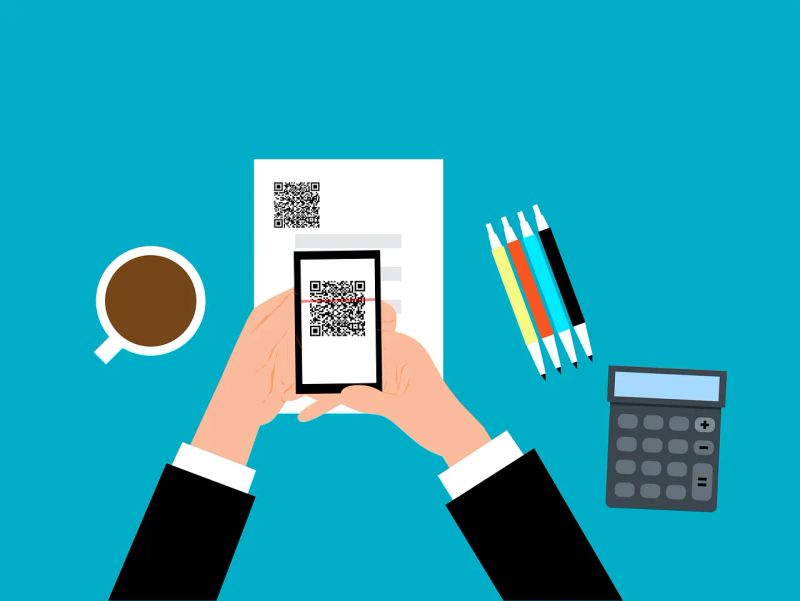
Managing QR codes your business publishes
Keep track of printed and digital QR codes, check their destinations and give customers a trusted alternative when a code looks wrong.

Checking unexpected LinkedIn business approaches
Verify an unfamiliar LinkedIn contact independently before sharing business information, opening files or approving a payment.

Responding to repeated MFA approval requests
Reject unexpected sign-in prompts, report them through a known route and review authentication methods and sessions with your IT team.

Checking an unexpected text from your boss
Handle urgent gift-card or spending requests through a known approval channel, and respond quickly if money or account details have already been sent.
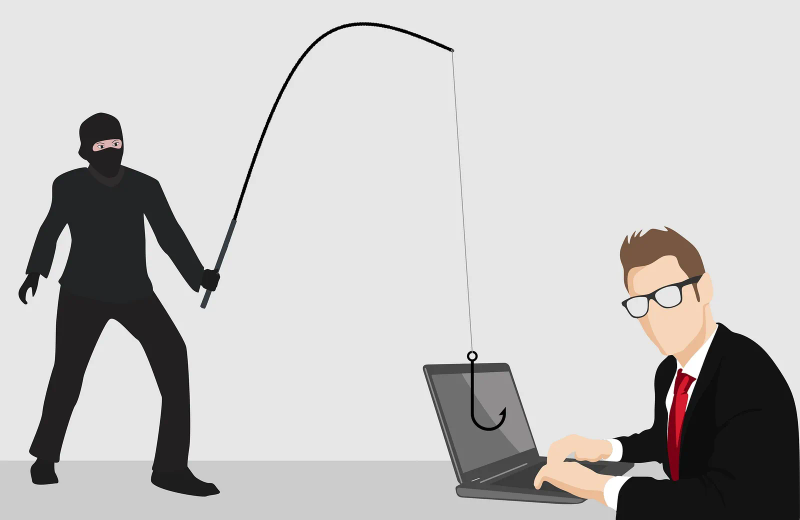
Checking a suspicious reply in an email thread
Verify unexpected links, files and payment changes inside familiar email conversations, and report suspected thread hijacking through a trusted route.
Checking a text that appears to come from you
Treat an unexpected text with your own number or a familiar sender as unverified, check the claim independently and use Canadian reporting routes.
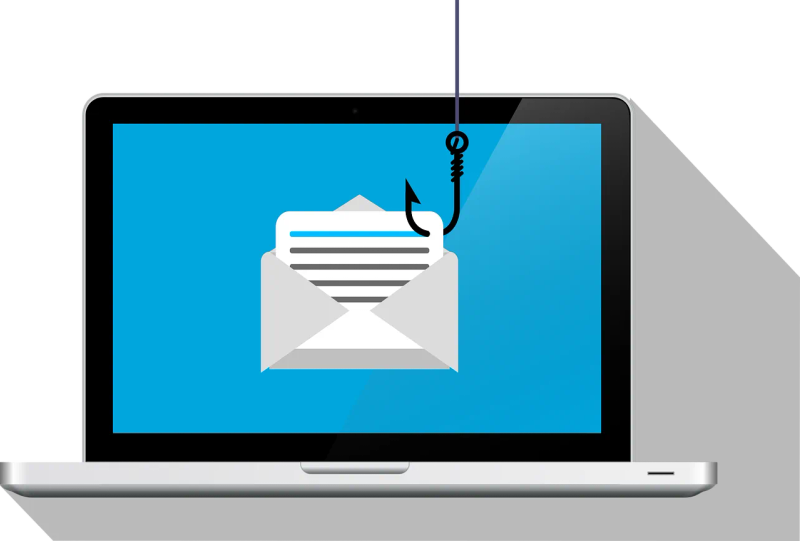
Using SLAM to pause before acting on email
Use sender, link, attachment and message checks to assess an email, then verify sensitive requests through a separate trusted channel.
Want advice for your own setup?
We can help you apply the advice to your systems and work out what needs to change.