Five questions before a business VR pilot
Five questions to settle before a business VR pilot: the decision it supports, model accuracy, who can use it, account controls and the full cost.
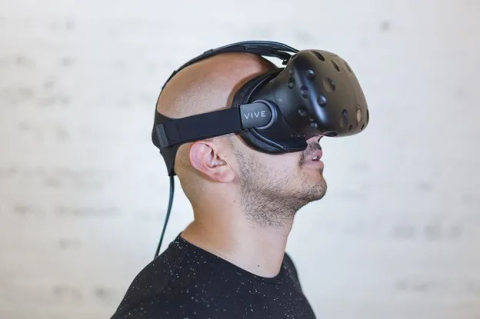
Virtual reality can make a space or model easier to inspect together. It may be useful for a design discussion, a product demonstration or a controlled training exercise.
Test it against one specific task first. Before buying headsets or commissioning content, answer these five questions with the people who would use the result.
1. Which decision needs an immersive view?
Choose one decision that a normal drawing, video or screen-based model makes difficult. Examples might include discussing a proposed layout or rehearsing the sequence of a simulated task.
Define the result you want participants to produce. A product demonstration should help answer a question; a training scenario should have an agreed learning objective.
Compare the proposed VR activity with a simpler way to achieve that result. Keep the pilot narrow enough to assess both methods.
2. How accurate does the model need to be?
Identify which dimensions, behaviours and details must reflect reality. Decide who verifies them and how updates reach the simulation.
A model can look convincing and still be wrong. A virtual prototype can help a design discussion, but the real product still needs physical testing and review by a qualified designer or engineer.
For a virtual site visit, record when the content was captured and what it can’t show. Don’t use an old model as the only evidence of current conditions.
3. Can the intended participants use it?
Test setup, navigation, text, audio and interaction with representative users. Include accessibility needs and a supported way to participate without a headset.
The W3C’s XR accessibility user requirements describe needs involving different input and output methods. Use them to frame questions about captions, controls, navigation and alternative experiences.
Follow the manufacturer’s guidance on clear floor space and supervision. Some people get motion sickness or eye strain in a headset, so let anyone stop a session and carry on another way.
4. Who controls accounts, content and recordings?
Identify the service provider, business account owner and administrators. Review where models, conversations and any recordings are stored, who can access them and how they can be exported or removed.
Use sample content with nothing confidential in it for the first trial. Don’t upload confidential designs or client information before reviewing the service’s terms and controls.
Test inviting and removing a participant. Check whether a shared headset stays signed in to the previous user’s account, and decide how it’s reset and cleaned between users.
5. What does the pilot show about total cost?
Include equipment, licences, content creation, integration, training, cleaning, support and future updates. If travel is part of the comparison, identify which visits the task can realistically replace.
Measure the agreed result in the trial itself. For training, check what a participant can do afterwards. Time spent in the headset tells you little about that.
Record the limits and recurring work alongside any benefit. Decide whether to extend, revise or stop the pilot using those results and the cost of keeping the content current.