Commissioning a vulnerability assessment
Agree on a vulnerability assessment’s systems, authorization, methods, limitations and useful deliverables before testing begins.
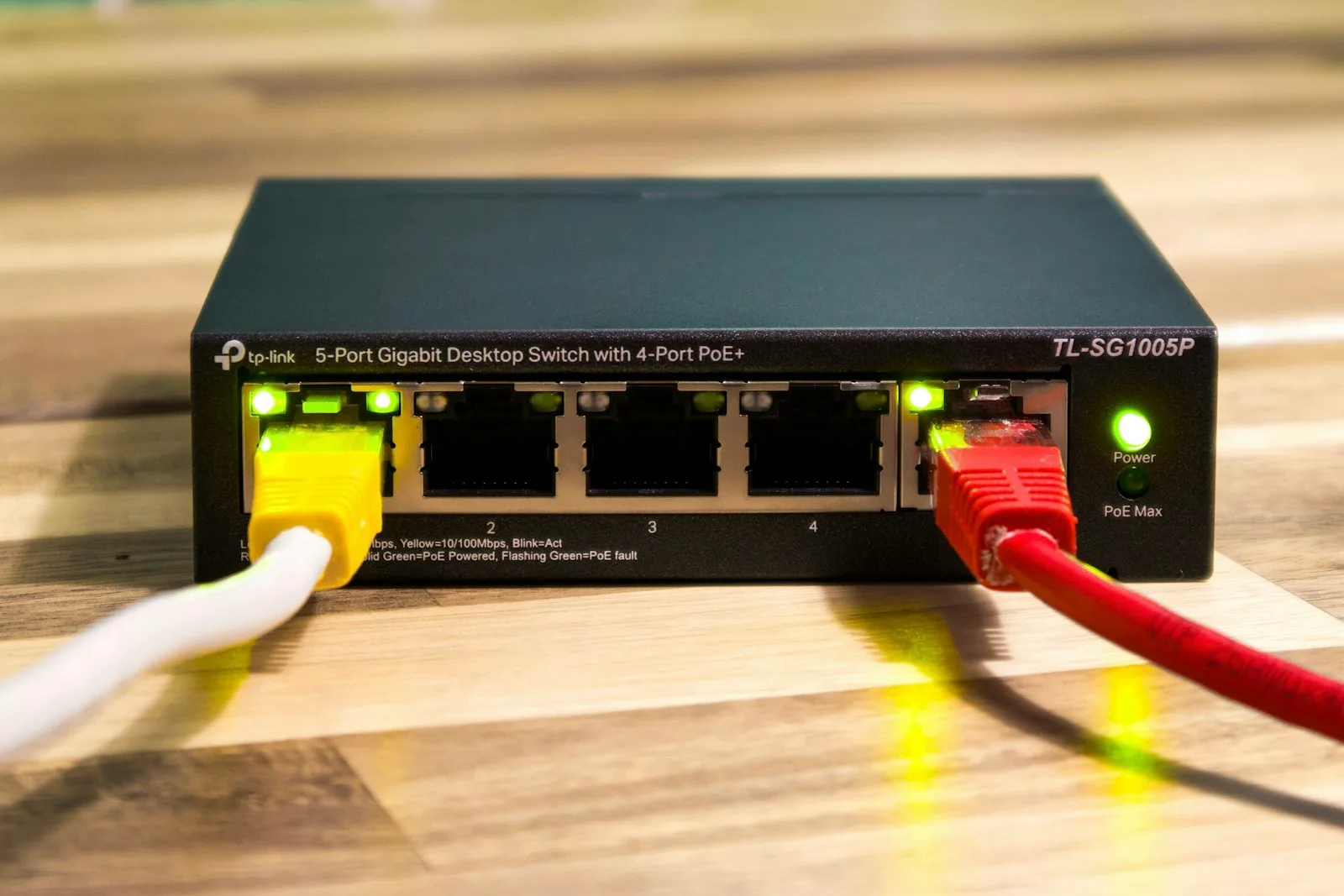
A vulnerability assessment should answer a defined set of questions about the systems being reviewed. Before commissioning one, agree on the scope, permitted methods and the result your team needs to act on.
The number of findings isn’t enough to judge the work. A useful report explains coverage, evidence and limitations, and gives the responsible people a route to verify corrections.
Define the business question and scope
Identify the applications, devices, networks and external services included. Record the system owners and the information or operations they support.
Ask whether the assessment covers external exposure, internal systems, authenticated checks, configuration review or application testing. Those methods see different things.
List exclusions, unavailable systems and supplier-managed equipment. An assessment of an Internet-facing website won’t tell you the state of every office laptop or cloud permission.
Get written permission before testing
Get written authorization from the owners of the systems being tested, and confirm any hosting or supplier terms. State the testing window, permitted targets and methods, contacts and stop conditions.
Consider fragile or operational equipment separately. Don’t assume an aggressive scan is safe for a device just because it’s on the business network. Printers, phone systems and building controls can stall or reboot under heavy scanning.
NIST’s technical testing guide addresses planning, methods and limitations. It’s a useful reference for planning the work. No single test will find everything.
Distinguish an assessment from penetration testing
Automated scanning can identify known weaknesses and possible configuration problems. Its coverage depends on what it can reach and the permissions and checks available.
Penetration testing goes further by examining how weaknesses may be exploited under an agreed scope. The Cyber Centre’s penetration-testing guidance distinguishes it from automated scanning.
Agree on which work you’re buying and the assessor’s role. Don’t infer penetration testing or independent assurance from a scan report.
Specify evidence and reporting
Ask for affected assets, observed conditions, relevant evidence and how the finding was verified. The report should distinguish confirmed problems from uncertain results and identify checks that couldn’t be completed.
Keep the report’s sensitive details where only the people who need them can open them. Agree on how test credentials, collected information and copies will be handled after the engagement.
Avoid a report that provides only a risk score without enough detail for the system owner to understand the issue.
Plan the handoff to remediation
Have IT validate findings against the environment. Prioritize using exposure, business importance, available exploitation evidence and the effect of a change, as well as technical severity.
The assessment doesn’t automatically apply a patch or correct a permission. Assign that work separately and schedule it with the responsible owner.
The exposure-remediation guide covers acting on accepted findings and recording deferred work.
Agree on verification and future review
Specify how corrected findings will be retested and how unresolved exceptions are reported. An alert can disappear because the scanner lost access, so confirm the fix itself.
Schedule the next assessment around change: a new firewall, a new cloud service, an office move, or a contract or insurer that asks for one. A clean report describes the systems as they were on the day of testing.


